

Poland is a democracy in Central Europe with over 36 million inhabitants. Poland’s borders have shifted significantly over its thousand-year history. Modern day Poland is bordered by Lithuania, Russia, Belarus, Germany, Ukraine, Slovakia, and the Czech Republic. The largest country in Europe in the 16th century, spanning from the Baltic Sea in the North to the Black Sea in the South, Poland ceased to exist as a sovereign state in 1795 when the last Polish king abdicated and its territory was divided among Austria, Prussia, and Russia. At the conclusion of World War I, Poland returned to the world map and new borders were established by the Treaty of Versailles.
Despite a 1934 non-aggression pact with Poland, Germany invaded the country in 1939, launching World War II. Almost six million Poles perished during the war, one-fifth of Poland’s population. Half of those who died were Polish Jews; most of Nazi Germany’s extermination and forced labor camps were located in Poland. After the war, as the Germans withdrew, Polish partisans fought the occupying Soviet army. Poland’s borders were redrawn again in 1947 and Poland became a communist republic and member of the Warsaw Pact. In the early 1980’s, the Solidarity trade union movement gained strength and led the country to independence after the fall of the Soviet Union in 1991. Broad democratic reforms were implemented and a new constitution was adopted in 1997. Poland joined the European Union in 2004.
Sources of Law
Sources of Law
Poland is a parliamentary republic with a civil law system. Sources of law include the constitution, statutes, treaties, regulations, and European Union Law.
Judicial System
Judicial System
Poland’s constitution created the Supreme Court, military courts, common courts, and administrative courts. Subsequent legislation detailed the organization and jurisdiction of each type of court.

Common Courts
The Common Court system includes District Courts, Regional Courts, and Courts of Appeal. These courts adjudicate criminal, civil, commercial, and family cases.
District Courts
District courts have first-instance jurisdiction. They are divided into six divisions (civil, criminal, family/juvenile, labor, commercial, land registry), each led by a court president. The majority of district court proceedings are heard by a single judge. A narrow category of labor, family, and criminal cases are heard by one professional judge and two lay judges.
Regional Courts
Regional courts hear appeals from the district courts as well as first instance cases involving more serious crimes and civil disputes involving larger sums of money. The majority of cases are heard by a single judge. However, for more complex matters or cases presenting significant legal issues, a panel of three judges or one judge and two lay judges will preside. A bench of two judges and three lay judges preside over criminal cases that may result in a life sentence.
Courts of Appeal
There are 11 Courts of Appeal, each with jurisdiction over multiple regions. Three-judge panels review cases from the first instance jurisdiction of the regional courts.
Supreme Court
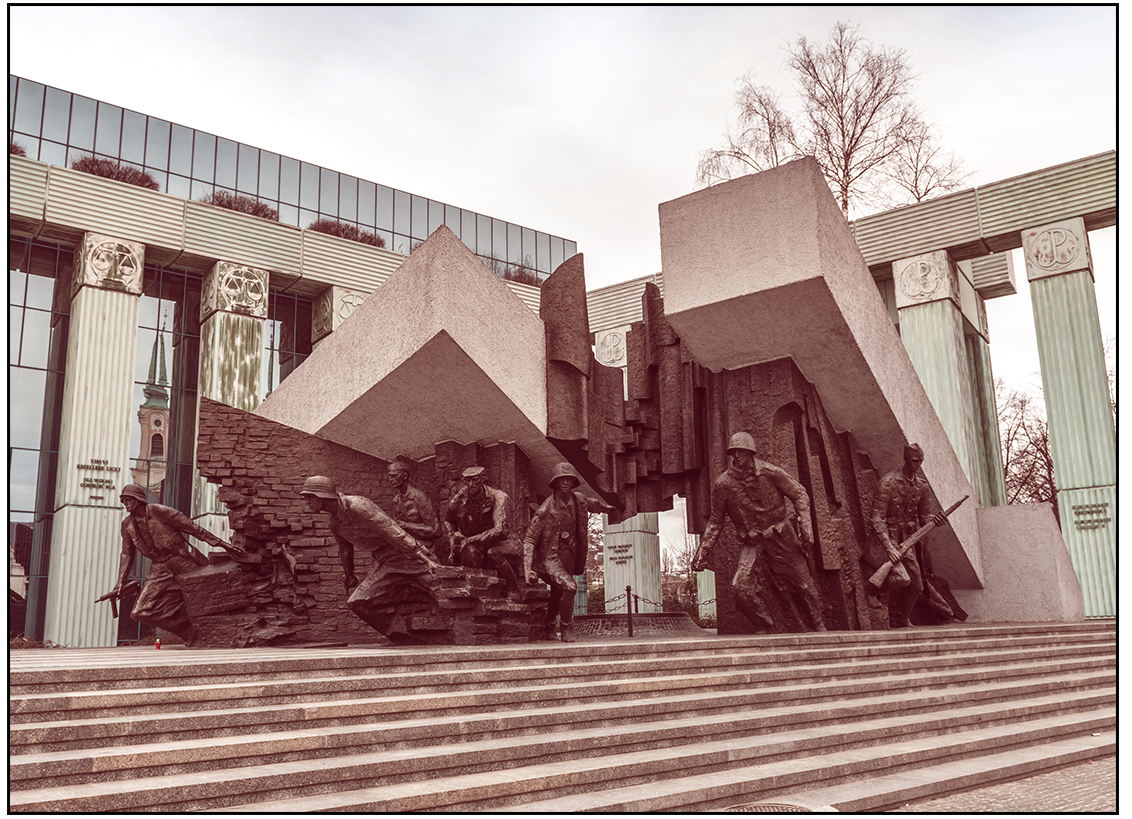
Monument to the Warsaw Uprising outside the
Supreme Court
The Supreme Court of Poland reviews contested points of law (cassation review) in appeals from the Regional Courts and the Courts of Appeal. It also adopts resolutions on points of law to clarify inconsistent judgments in the lower courts; these rulings are only binding on the court requesting clarification and do not create national precedent. The Supreme Court provides opinions on legislative motions, reviews contested elections and has supervisory authority over the common and military courts.
The Supreme Court has four substantive chambers – civil, criminal, labor, military. The Court’s Chamber of Extraordinary Review reviews the validity of elections and financing of political parties. The Professional Liability Chamber hears disciplinary cases against lawyers and judges. Three-justice panels review the majority of cases; more complex matters are heard by a panel of seven. Each chamber has a court president; the Court’s First President oversees court operations.
The Supreme Court has 120 members who are appointed by Poland’s President upon the recommendation of the National Council of the Judiciary. Candidates must be at least 40 years old with a minimum of ten years legal experience or have a PhD in the legal sciences. A 2018 reform lowered the mandatory retirement age for supreme court justices from 70 to 65. The Court’s First President is appointed to a once-renewable six-year term by the President.
Common Courts
The Common Court system includes District Courts, Regional Courts, and Courts of Appeal. These courts adjudicate criminal, civil, commercial, and family cases.
District Courts
District courts have first-instance jurisdiction. They are divided into six divisions (civil, criminal, family/juvenile, labor, commercial, land registry), each led by a court president. The majority of district court proceedings are heard by a single judge. A narrow category of labor, family, and criminal cases are heard by one professional judge and two lay judges.
Regional Courts
Regional courts hear appeals from the district courts as well as first instance cases involving more serious crimes and civil disputes involving larger sums of money. The majority of cases are heard by a single judge. However, for more complex matters or cases presenting significant legal issues, a panel of three judges or one judge and two lay judges will preside. A bench of two judges and three lay judges preside over criminal cases that may result in a life sentence.
Courts of Appeal
There are 11 Courts of Appeal, each with jurisdiction over multiple regions. Three-judge panels review cases from the first instance jurisdiction of the regional courts.
Supreme Court
Monument to the Warsaw Uprising outside the
Supreme Court
The Supreme Court of Poland reviews contested points of law (cassation review) in appeals from the Regional Courts and the Courts of Appeal. It also adopts resolutions on points of law to clarify inconsistent judgments in the lower courts; these rulings are only binding on the court requesting clarification and do not create national precedent. The Supreme Court provides opinions on legislative motions, reviews contested elections and has supervisory authority over the common and military courts.
The Supreme Court has four substantive chambers – civil, criminal, labor, military. The Court’s Chamber of Extraordinary Review reviews the validity of elections and financing of political parties. The Professional Liability Chamber hears disciplinary cases against lawyers and judges. Three-justice panels review the majority of cases; more complex matters are heard by a panel of seven. Each chamber has a court president; the Court’s First President oversees court operations.
The Supreme Court has 120 members who are appointed by Poland’s President upon the recommendation of the National Council of the Judiciary. Candidates must be at least 40 years old with a minimum of ten years legal experience or have a PhD in the legal sciences. A 2018 reform lowered the mandatory retirement age for supreme court justices from 70 to 65. The Court’s First President is appointed to a once-renewable six-year term by the President.
Administrative Courts
 The Administrative Courts are independent of the common court system and have two tiers: first instance (voivodeship) and the Supreme Administrative Court. Their jurisdiction is limited to legal issues involving governmental actions; they do not make findings of fact. Cases before the administrative courts include review of administrative proceedings such as commitment to an institution, petitions against inaction by an administrative body that results in a violation of rights, and jurisdictional disputes between local government institutions. Unlike administrative court systems in other countries, Poland’s administrative courts do not have jurisdiction over social insurance, retirement, and disability benefits.
Administrative court judges are appointed by the President upon the recommendation of the National Council of the Judiciary and have life tenure with a mandatory retirement age of 65. Candidates for the lower administrative courts must be at least 35 years old with a law degree and either eight years of legal experience, two years of experience as an administrative court assessor, or possess a PhD in law. Candidates for the Supreme Administrative Court must have at least ten years of legal experience. Administrative court judges are eligible to serve on district courts, regional courts, or courts of appeal.
Administrative Courts
The Administrative Courts are independent of the common court system and have two tiers: first instance (voivodeship) and the Supreme Administrative Court. Their jurisdiction is limited to legal issues involving governmental actions; they do not make findings of fact. Cases before the administrative courts include review of administrative proceedings such as commitment to an institution, petitions against inaction by an administrative body that results in a violation of rights, and jurisdictional disputes between local government institutions. Unlike administrative court systems in other countries, Poland’s administrative courts do not have jurisdiction over social insurance, retirement, and disability benefits.
Administrative court judges are appointed by the President upon the recommendation of the National Council of the Judiciary and have life tenure with a mandatory retirement age of 65. Candidates for the lower administrative courts must be at least 35 years old with a law degree and either eight years of legal experience, two years of experience as an administrative court assessor, or possess a PhD in law. Candidates for the Supreme Administrative Court must have at least ten years of legal experience. Administrative court judges are eligible to serve on district courts, regional courts, or courts of appeal.
Constitutional Tribunal
Constitutional Tribunal
Poland’s Constitutional Tribunal is an independent entity outside of the court system. It reviews cases challenging the constitutionality of legislation. Its decisions are not subject to review.
The Constitutional Tribunal has 15 members who serve non-renewable 9-year terms. Candidates are subject to the same qualifications criteria as supreme court justices. A nominee must be recommended by at least 50 members of the Sejm (the lower house of Parliament); appointment requires support of an absolute majority of Sejm members.
Judicial Administration
Judicial Administration
The Minister of Justice and National Council for the Judiciary oversee most aspects of court administration. Some administrative duties, such as monitoring the efficiency of case proceedings, are handled internally by the administrative body of individual courts (referred to as general assemblies).
National Council for the Judiciary
National Council for the Judiciary
 The National Council for the Judiciary was created by the constitution to safeguard judicial independence. The Council oversees the judicial appointment process as well as judicial conduct and discipline. Its 25 members include the First President of the Supreme Court, President of the Supreme Administrative Court, the Minister of Justice, members of both houses of Parliament, 15 judges, and one Presidential appointee. Prior to 2017, Council members were selected by the judiciary. In a much-debated 2017 reform, authority to select the 15 judges on the National Council was transferred from the judiciary to the lower house of parliament (the Sejm).
Judicial Selection and Tenure
Judicial Selection and Tenure
 The President appoints all judges in Poland upon the recommendation of the National Council for the Judiciary. Judges must be Polish citizens, hold a master’s degree in law, and be at least 29 years old. District Court judges must pass an exam administered to aspiring judges and prosecutors and complete a judicial apprenticeship with the National School of the Judiciary and Public Prosecution. The apprenticeship includes practical and theoretical training. Military court judges, public prosecutors, and lawyers with at least three years of experience are eligible for a district court appointment without participating in the exam and apprenticeship process.
Candidates for the regional court must have four years of experience as either a district court judge, military court judge, or public prosecutor; lawyers with six years of experience are also eligible for a regional court judgeship. Candidates for the court of appeals must have ten years of judicial or prosecutorial experience. Academics with a PhD in legal sciences and administrative court judges may be appointed to any common court.
Judges have a mandatory retirement age of 65. However, judges may petition the National Council for the Judiciary to extend their tenure for a maximum of five additional years. The Law on Judges provides early retirement options: female judges who have 25 years of experience as a judge or prosecutor can retire at 55; male judges have the option of retiring at 60 if they have served for 30 years.
The President appoints all judges in Poland upon the recommendation of the National Council for the Judiciary. Judges must be Polish citizens, hold a master’s degree in law, and be at least 29 years old. District Court judges must pass an exam administered to aspiring judges and prosecutors and complete a judicial apprenticeship with the National School of the Judiciary and Public Prosecution. The apprenticeship includes practical and theoretical training. Military court judges, public prosecutors, and lawyers with at least three years of experience are eligible for a district court appointment without participating in the exam and apprenticeship process.
Candidates for the regional court must have four years of experience as either a district court judge, military court judge, or public prosecutor; lawyers with six years of experience are also eligible for a regional court judgeship. Candidates for the court of appeals must have ten years of judicial or prosecutorial experience. Academics with a PhD in legal sciences and administrative court judges may be appointed to any common court.
Judges have a mandatory retirement age of 65. However, judges may petition the National Council for the Judiciary to extend their tenure for a maximum of five additional years. The Law on Judges provides early retirement options: female judges who have 25 years of experience as a judge or prosecutor can retire at 55; male judges have the option of retiring at 60 if they have served for 30 years.
Judicial Education
Judicial Education
Poland’s National School of Judiciary and Public Prosecution was established in 2009. The school is supervised by the Minister of Justice and conducts initial and continuing education for judges and prosecutors. The Judicial School also has a department dedicated to international cooperation that coordinates foreign exchanges and internships.
Lustration
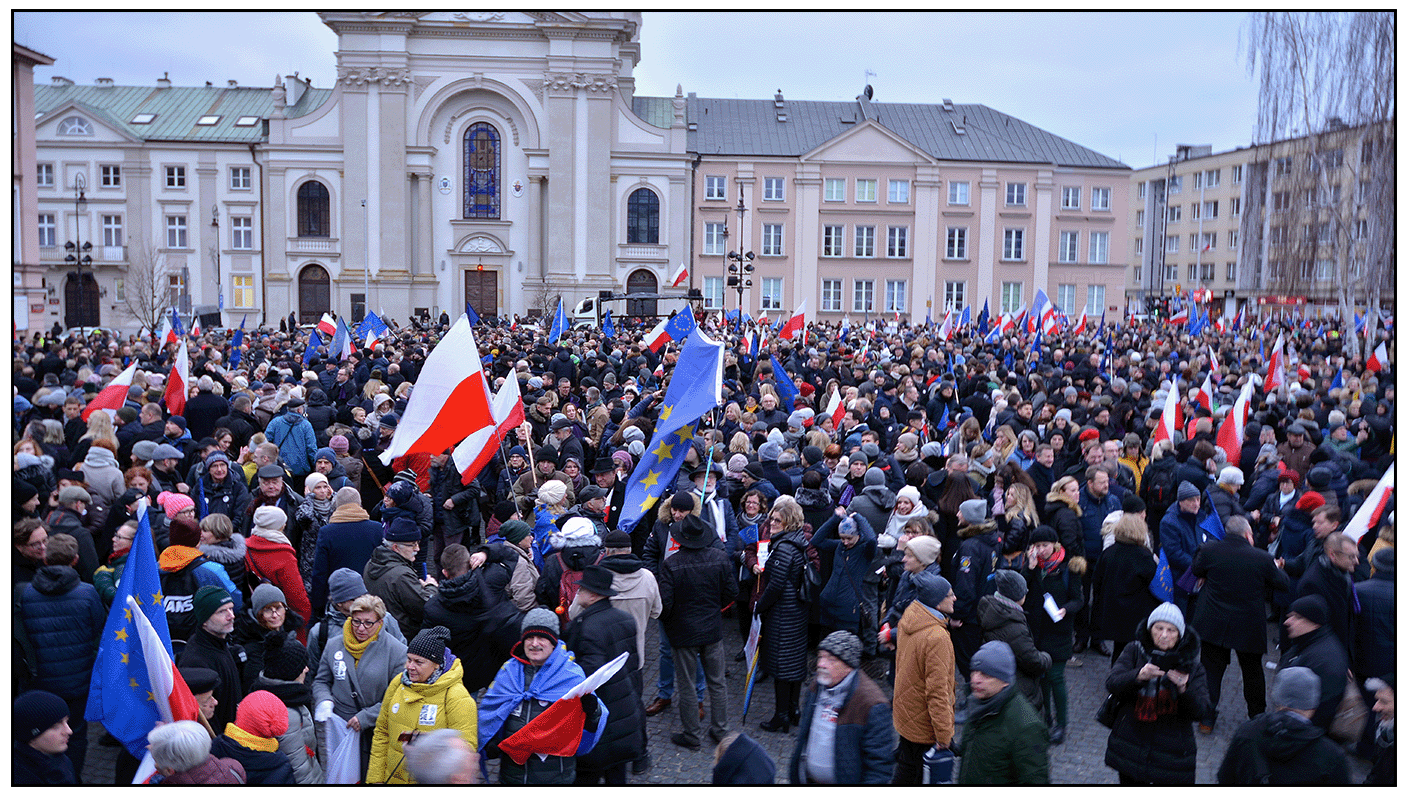 Lustration is a process adopted by some governments to remove government officials and judges from an earlier (and now discredited) regime and enable the vetting of potential replacements. Poland first implemented lustration in 1997. Candidates for high political office, including judges, were required to disclose any affiliation with Poland’s secret services. Failure to disclose was subject to sanctions, including removal from office. In 2006, Poland broadened the scope of its lustration law and imposed new requirements on judges. Some provisions of the law were later ruled unconstitutional. A new lustration legislation was adopted in 2018; it reduced the retirement age for judges, leading to the forced retirement of many members of the Supreme Court and the Constitutional Tribunal. Proponents of the reform argued that it was necessary to facilitate removal of corrupt, communist-era judges. However, the 2018 law was overturned when the European Court of Justice ruled that it undermined judicial independence in violation of the constitution and EU law. The judges who had been removed were reinstated.
Lustration
Lustration is a process adopted by some governments to remove government officials and judges from an earlier (and now discredited) regime and enable the vetting of potential replacements. Poland first implemented lustration in 1997. Candidates for high political office, including judges, were required to disclose any affiliation with Poland’s secret services. Failure to disclose was subject to sanctions, including removal from office. In 2006, Poland broadened the scope of its lustration law and imposed new requirements on judges. Some provisions of the law were later ruled unconstitutional. A new lustration legislation was adopted in 2018; it reduced the retirement age for judges, leading to the forced retirement of many members of the Supreme Court and the Constitutional Tribunal. Proponents of the reform argued that it was necessary to facilitate removal of corrupt, communist-era judges. However, the 2018 law was overturned when the European Court of Justice ruled that it undermined judicial independence in violation of the constitution and EU law. The judges who had been removed were reinstated.